Webspide creates intuitive, accessible, and conversion-focused digital experiences for startups, enterprises, and global brands. Our UI/UX design services combine user research, wireframing, prototyping, interface design, usability testing, and design systems. We transform complex ideas into clear, engaging products that improve user satisfaction, strengthen brand consistency, and support measurable business outcomes.
 EBSPIDE
Research-driven, accessible, and conversion-focused design for websites, apps, SaaS platforms, and digital products worldwide.
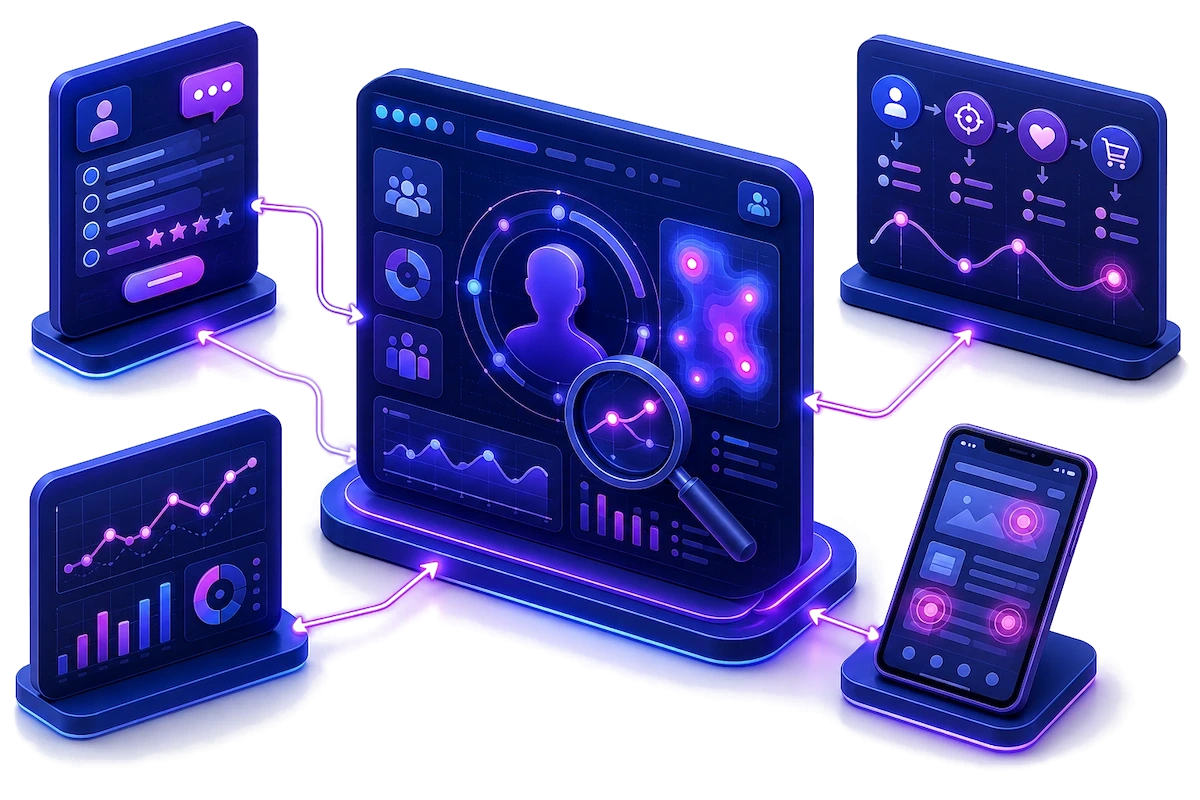
Effective UI/UX design begins with understanding the people who will use the product. Webspide conducts user interviews, surveys, competitor reviews, analytics analysis, and behavioural research to uncover motivations, expectations, frustrations, and decision patterns. These insights help us replace assumptions with evidence and identify the experience improvements most likely to support users and business goals.
We translate research into personas, journey maps, task flows, opportunity areas, and practical design recommendations. By examining how users discover information, complete actions, and encounter friction, our UI/UX designers create clearer navigation, more relevant content, and efficient interactions. Research findings also guide feature priorities and reduce avoidable design revisions later.
Whether you are planning a new product or improving an existing platform, our UX research services provide a dependable foundation for design decisions. The completed analysis supports interface planning, usability improvements, stakeholder alignment, and measurable product development. Clear documentation also helps internal teams understand user needs and maintain a consistent customer-focused direction. We can also define research priorities, recruitment criteria, success measures, and follow-up studies for future product decisions.
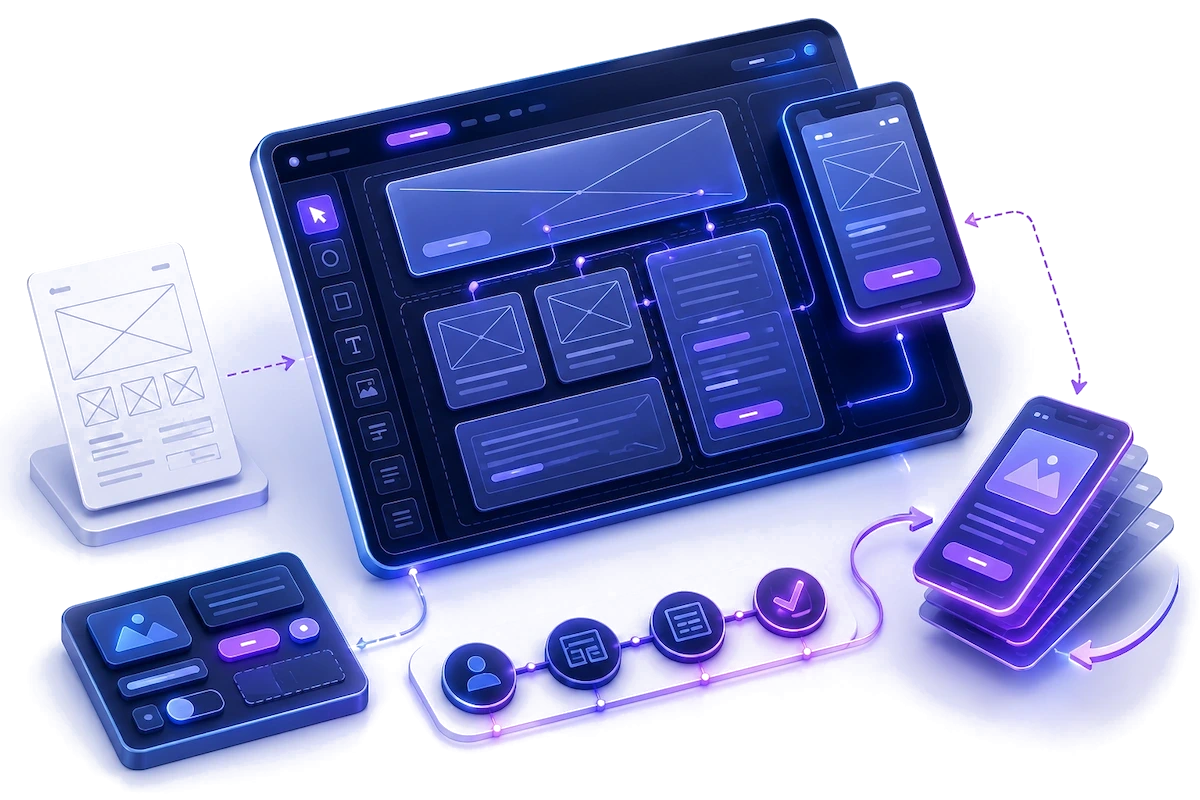
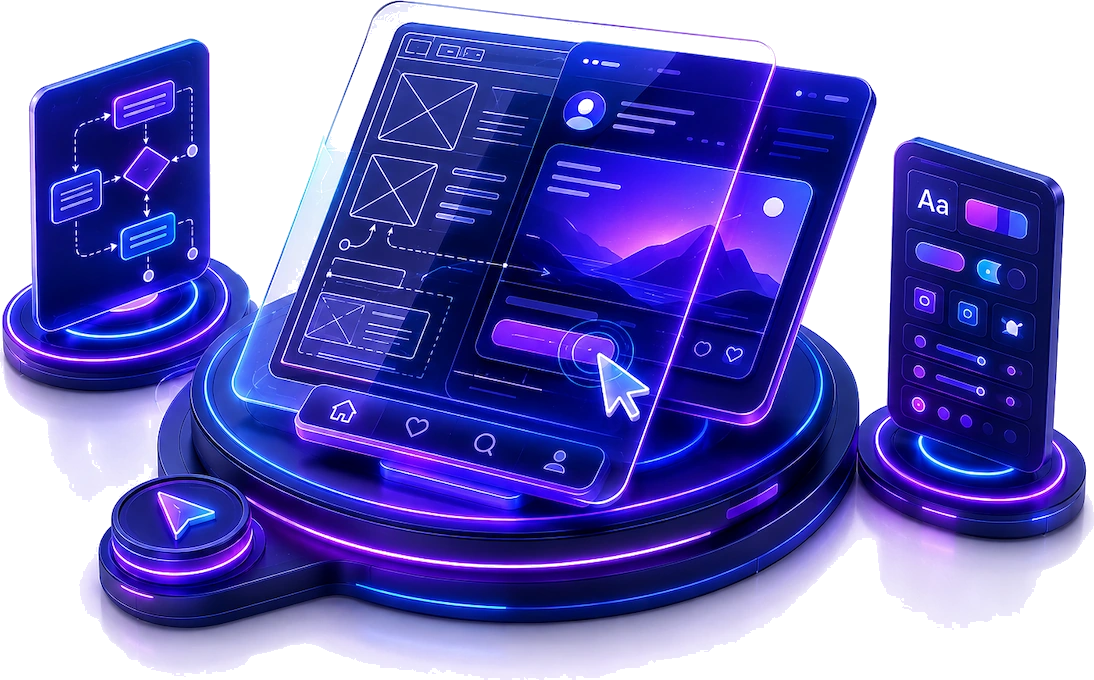
Webspide creates wireframes and interactive prototypes that turn ideas, requirements, and user journeys into visible product structures before development begins. Wireframes define page hierarchy, content placement, navigation, workflows, and functional priorities without becoming distracted by final visual styling. This allows teams to review the experience early and resolve structural issues efficiently.
We develop low-fidelity concepts for rapid exploration and high-fidelity prototypes for detailed validation. Interactive states, forms, transitions, dashboards, and key user tasks can be demonstrated realistically, helping stakeholders understand how the product will behave. Feedback is incorporated through organised iterations, reducing uncertainty and avoiding expensive changes during development.
Our wireframing and prototyping services support websites, mobile applications, SaaS platforms, portals, marketplaces, and enterprise systems. The approved prototype becomes a practical reference for visual design and development teams. It improves communication, clarifies requirements, and helps confirm that important user journeys are intuitive, consistent, accessible, and aligned with business objectives. This preparation supports more accurate estimates, smoother approvals, faster implementation, and fewer misunderstandings between business, design, and engineering teams across project stages.
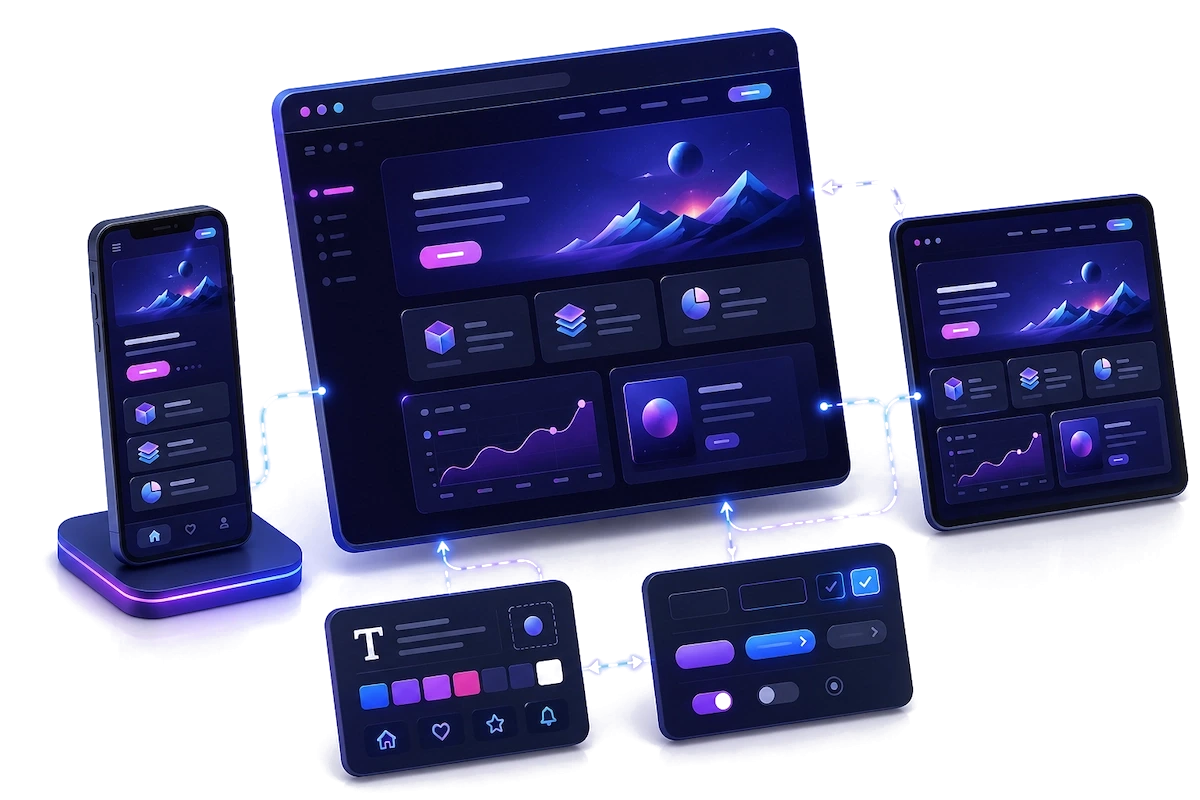
Webspide designs polished interfaces for websites, mobile applications, dashboards, portals, and digital products. We combine brand identity, user needs, content hierarchy, and functional requirements to create layouts that are visually engaging and easy to understand. Every screen is planned to support clear navigation, confident interaction, and consistent communication across the product.
Our UI designers develop responsive grids, typography, colours, iconography, components, forms, states, and interaction patterns suited to each platform. Mobile interfaces consider touch behaviour, limited screen space, and common device conventions, while web designs address varied browsers and responsive layouts. Accessibility and readability remain part of every visual decision.
From early design direction through final screens and developer-ready specifications, our UI/UX design services maintain consistency and implementation clarity. The completed interface supports stronger usability, brand recognition, engagement, and conversion potential. Design files, components, and documentation also help developers build accurately and enable future updates without weakening the established experience. We also consider localisation, platform conventions, content variation, and future screen requirements when defining the visual language across future releases.
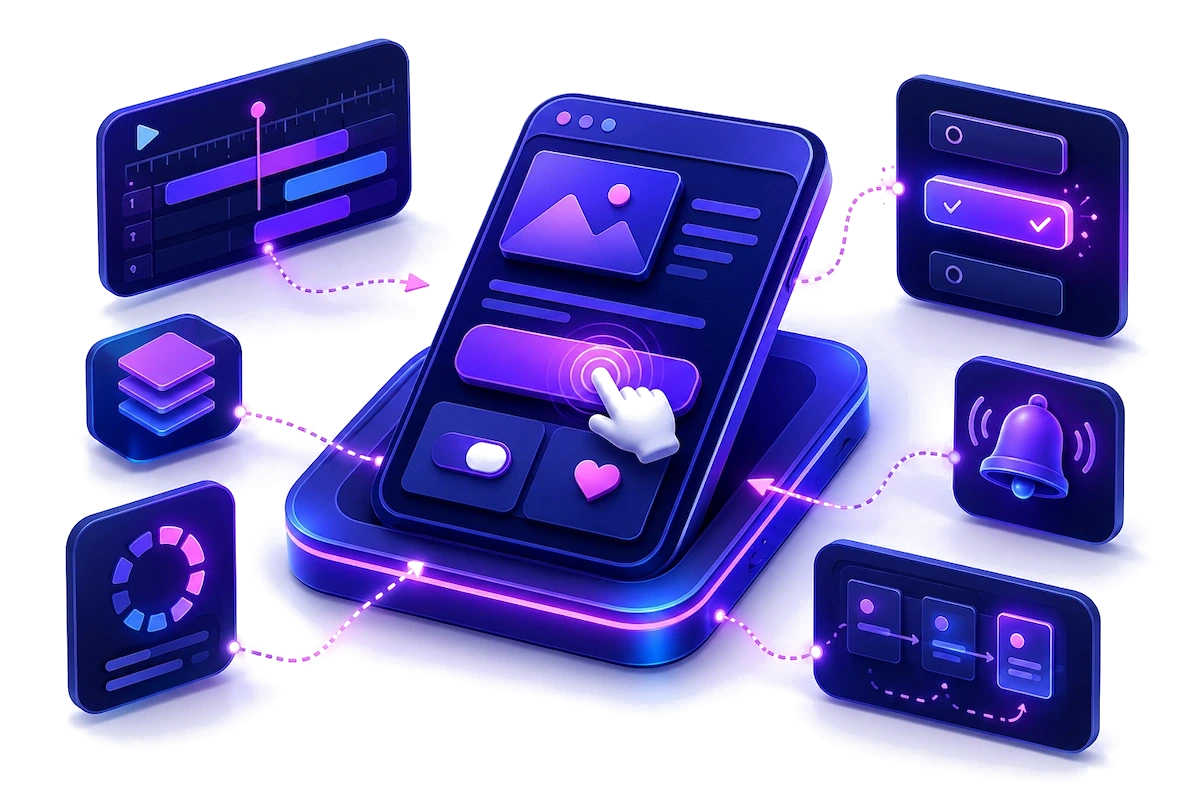
Motion and interaction can make digital products easier to understand when used with purpose. Webspide designs micro-interactions, transitions, feedback states, loading sequences, hover effects, and guided animations that clarify what is happening and help users move confidently through an interface. Every effect is planned around usability rather than decoration alone.
Our designers consider timing, hierarchy, accessibility, device performance, and brand personality before defining motion behaviour. Subtle responses can confirm completed actions, reveal relationships, direct attention, or explain complex changes. Interactive prototypes allow stakeholders and developers to review these behaviours before implementation, reducing ambiguity and improving consistency across screens.
We create motion guidelines, animation references, component states, and implementation notes for websites, applications, onboarding journeys, dashboards, and marketing experiences. The result is a more responsive and engaging interface that feels polished without becoming distracting. Performance-conscious choices help maintain smooth experiences across supported devices, browsers, and network conditions. These guidelines help development teams reproduce motion consistently and avoid effects that slow interfaces or distract users throughout the complete product across screens, devices, and states.
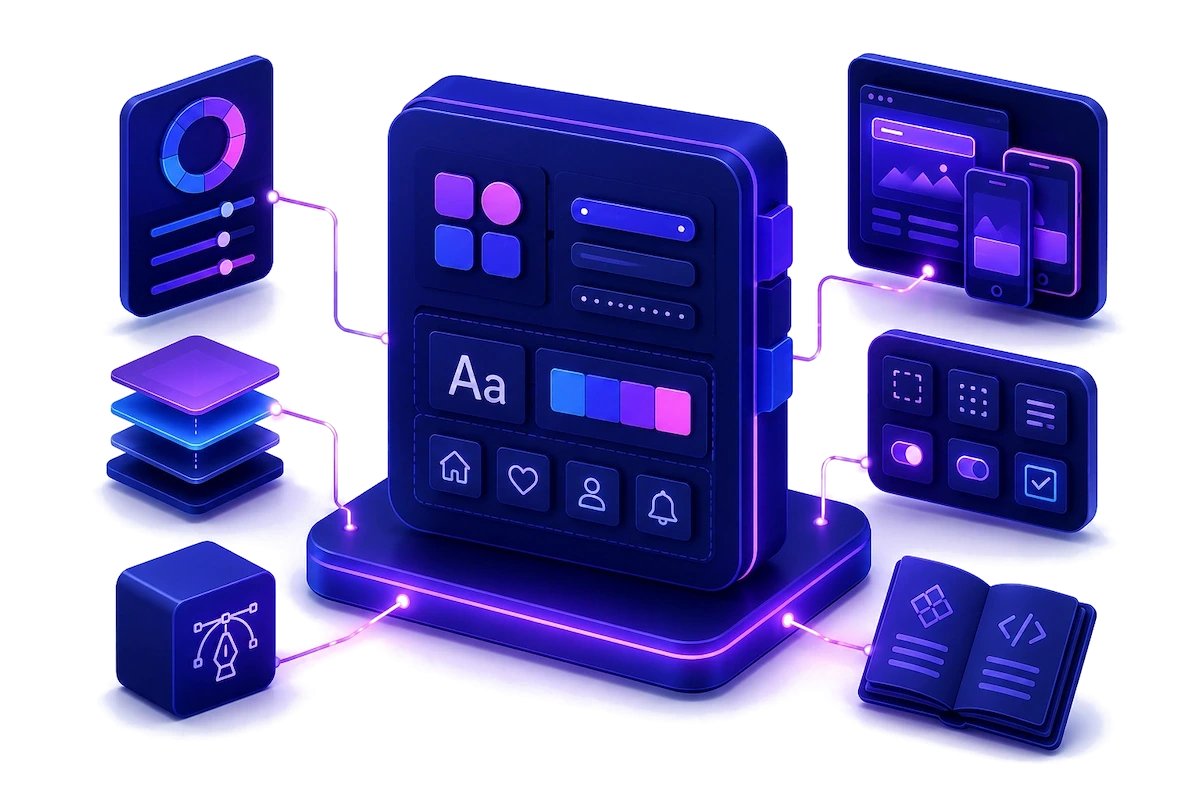
Webspide creates design systems that give digital products a consistent visual and functional foundation. We define reusable components, typography, colour, spacing, iconography, imagery, interaction states, and accessibility rules around your brand and product requirements. This shared system helps teams design and build new screens without repeatedly solving the same interface decisions.
Our process can include brand alignment, component inventories, visual tokens, responsive behaviour, usage guidance, and documentation for designers and developers. We identify inconsistencies in existing products and establish practical standards that work across websites, mobile applications, SaaS platforms, and internal tools. Components are structured to support reuse without limiting necessary flexibility.
A well-planned design system improves collaboration, speeds delivery, and reduces visual drift as products expand. It also supports easier onboarding, quality review, and future redesign work. Webspide provides organised source files and clear guidance so internal teams can maintain the system, introduce new components responsibly, and protect brand consistency across digital experiences. Governance recommendations can also define ownership, review processes, versioning, and contribution standards for long-term system health.
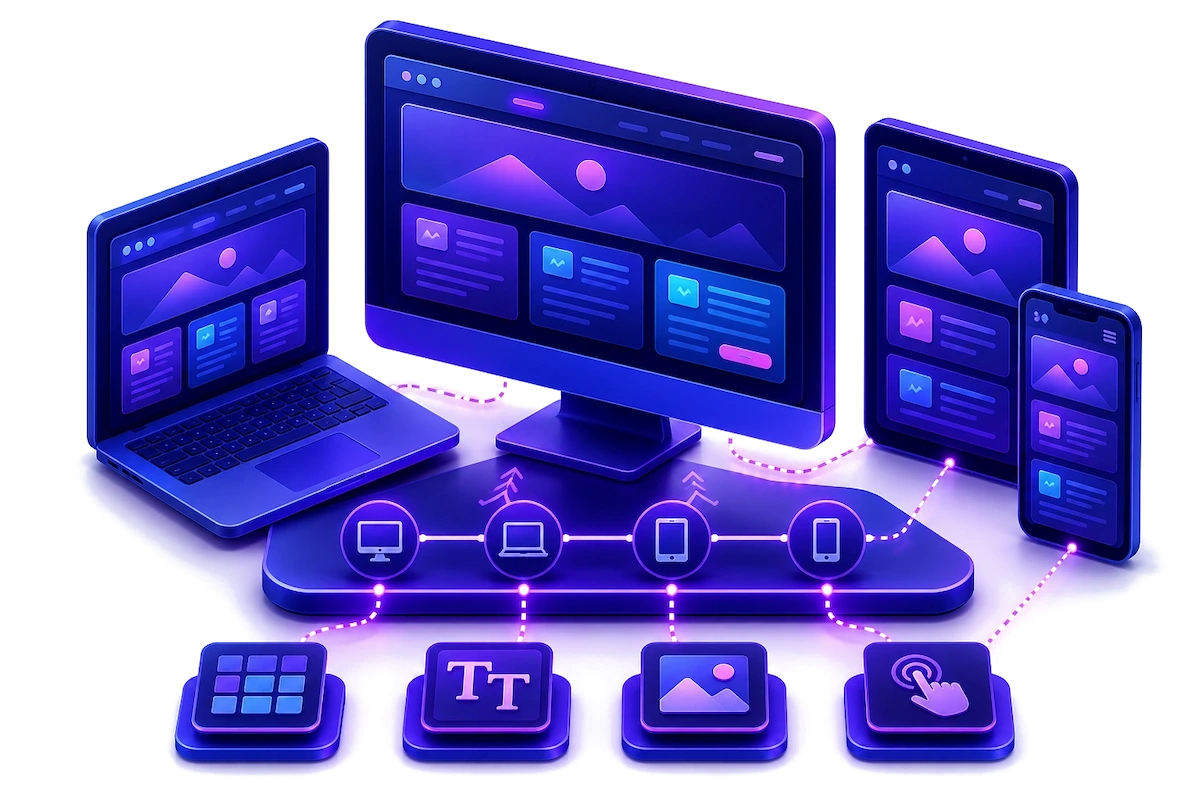
Webspide designs responsive interfaces that adapt smoothly to desktops, tablets, smartphones, and varied screen dimensions. We plan content priority, navigation, grids, typography, imagery, and interaction patterns for different contexts rather than simply shrinking a desktop layout. This creates clearer experiences and helps users complete important tasks comfortably on any supported device.
Our mobile-first process considers touch targets, reading distance, orientation changes, responsive components, and performance constraints. We test key layouts at multiple breakpoints and refine how menus, forms, tables, cards, and media behave as available space changes. Accessibility and visual consistency remain central across every screen size and interaction mode.
Responsive UI/UX design improves usability, broadens audience reach, and supports stronger engagement across devices. We provide detailed design specifications and component behaviour for development teams, reducing implementation uncertainty. The completed design remains flexible enough for changing content, new features, and future devices while preserving brand quality and an organised user experience. We also consider localisation, dynamic content, accessibility settings, and future component variations when defining responsive behaviour across future releases.
Webspide improves accessibility and usability by identifying barriers that make digital products difficult to understand, navigate, or operate. We review information structure, labels, colour contrast, typography, keyboard interaction, focus order, forms, error messages, and screen-reader considerations. This helps create more inclusive experiences for users with different abilities, devices, and circumstances.
Our team evaluates existing interfaces, prototypes, or live products against recognised accessibility and usability principles. We combine expert review with user testing where appropriate, prioritising issues according to severity and business impact. Recommendations are practical and clearly documented so designers and developers can implement improvements without weakening the product's visual identity.
Accessibility and usability optimization can reduce friction, improve task completion, and strengthen trust across a wider audience. We support redesigns, component updates, content improvements, and validation after changes are introduced. The result is a clearer, more dependable digital experience that supports inclusive access, regulatory awareness, and long-term product quality. Clear implementation priorities help teams address urgent barriers first while planning broader improvements across products and release cycles and connected platforms.

Webspide designs SaaS platforms and web applications that make complex workflows easier to understand and complete. We analyse user roles, permissions, tasks, data relationships, frequency of use, and business priorities before planning the experience. This helps us organise dashboards, navigation, forms, tables, notifications, and settings around real operational needs.
Our UI/UX designers create user flows, wireframes, prototypes, visual systems, and responsive interfaces for administrators, customers, employees, and partners. We simplify dense information through clear hierarchy, progressive disclosure, reusable patterns, and meaningful feedback. Edge cases, empty states, errors, onboarding, and accessibility are considered alongside ideal user journeys.
Whether you are developing a new SaaS product or improving an established application, our design process supports scalability and consistent implementation. The completed experience helps users learn the platform faster, work more efficiently, and make confident decisions. Design documentation and component libraries also support future modules, releases, and collaboration with development teams. We also consider permission changes, data-heavy views, recurring tasks, and support needs when refining application journeys across evolving product releases and teams.

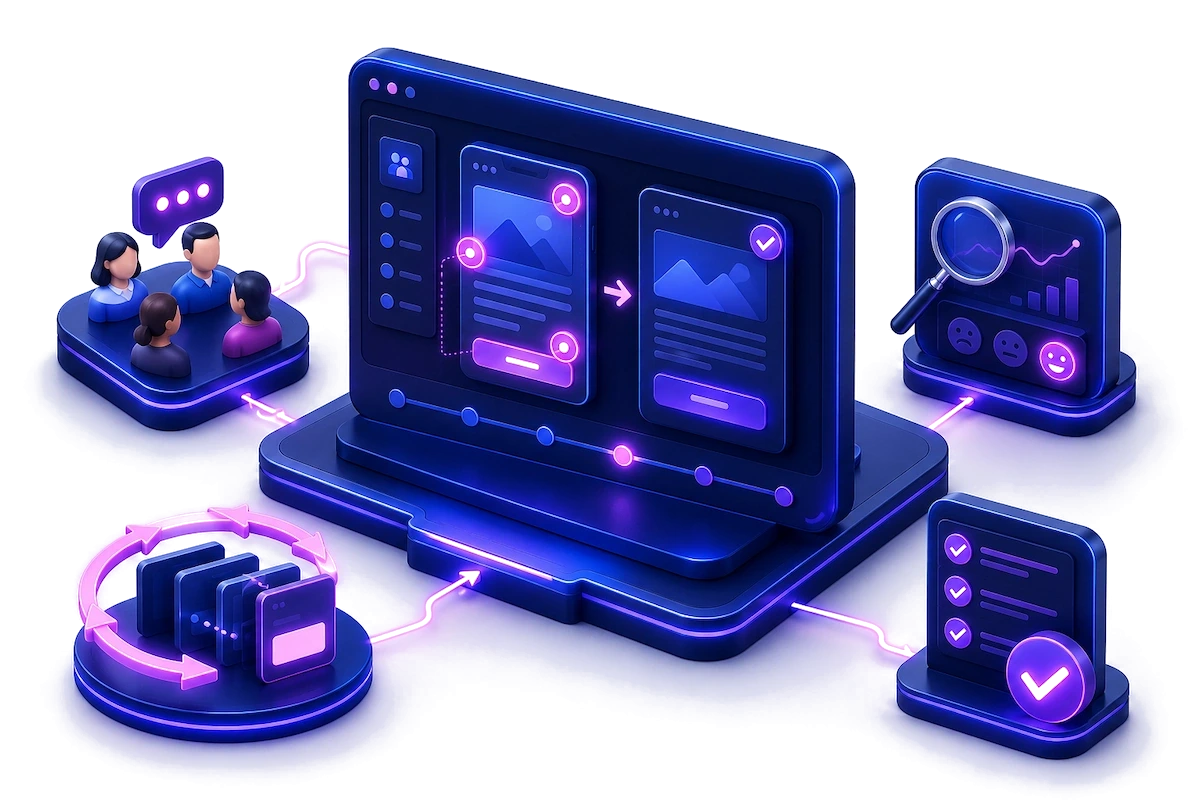
Webspide uses user testing to understand how real people interact with interfaces, prototypes, and digital products. We define realistic tasks, observe behaviour, collect feedback, and identify confusion, hesitation, errors, and unmet expectations. Testing provides evidence that helps teams improve the experience before or after development instead of relying only on internal opinions.
Depending on the project, we conduct moderated sessions, remote tests, prototype evaluations, preference comparisons, or structured usability reviews. Findings are grouped by impact and linked to practical design recommendations. We then refine flows, layouts, content, controls, and interactions through controlled iterations, preserving what works while correcting the areas causing friction.
Iterative improvement supports better usability, engagement, accessibility, and task completion over time. Our process can be applied during product development, before a major release, or as part of ongoing optimization. Clear reports, prioritised findings, and updated designs help stakeholders make informed decisions and establish a repeatable approach to experience improvement. This approach helps product teams validate priorities, measure progress, and make smaller, better-informed design changes continuously across future releases.
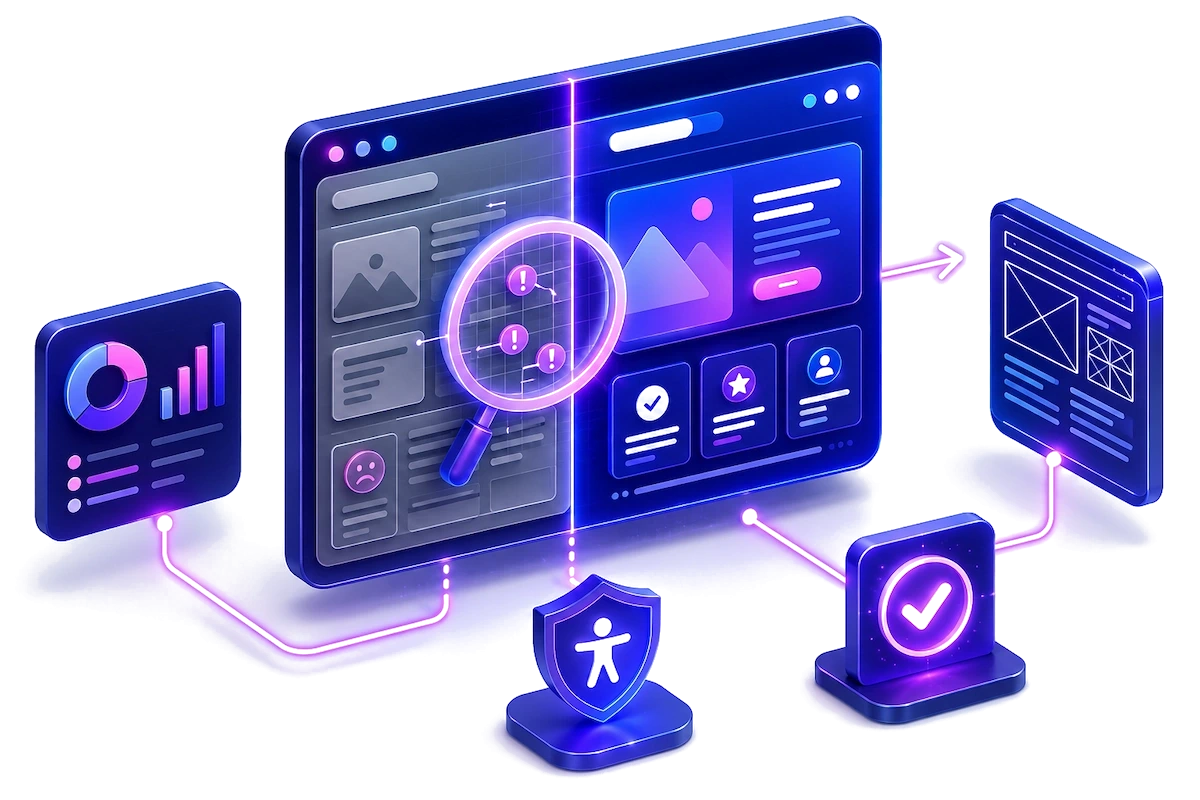
Webspide audits websites, applications, and digital products to identify usability, accessibility, visual consistency, and conversion problems. We review navigation, content hierarchy, user journeys, interaction patterns, responsive behaviour, analytics, and design quality against business goals and user expectations. This creates a clear understanding of what should be retained, corrected, or redesigned.
Our audit combines expert evaluation with available data, user feedback, competitor context, and testing where appropriate. Findings are organised by severity, effort, and expected impact, helping stakeholders prioritise improvements realistically. We then create revised journeys, wireframes, visual concepts, components, or complete screen designs based on the agreed redesign scope.
A structured redesign improves the experience without discarding valuable functionality or brand recognition unnecessarily. We support stakeholder reviews, prototyping, developer handoff, and validation after implementation. The completed solution provides clearer navigation, stronger consistency, improved accessibility, and a modern interface prepared for future content, features, users, and business growth. We also provide prioritised recommendations and implementation guidance so improvements can be delivered in realistic phases without disrupting essential operations across future digital releases.
We use proven research, prototyping, design, testing, and collaboration tools selected for each product's requirements and workflow.
 Figma
Figma Adobe XD
 Sketch
 Photoshop
 Illustrator
 InVisionFigmaInVisionFigma Libs
 Storybook
 Tailwind
 Bootstrap
 Material UI
 After Effects
 Framer
Webspide combines user research, creative thinking, structured design methods, and transparent collaboration to create practical digital experiences. Our UI/UX design services support startups, growing companies, and enterprises worldwide. From discovery through testing and developer handoff, we prioritise usability, accessibility, brand consistency, scalability, communication, and measurable value across every product engagement and long-term partnership globally.
Our designers understand user research, information architecture, interaction design, visual systems, accessibility, and product workflows. This combined expertise helps us balance user expectations with business and technical requirements. Clients receive thoughtful, implementation-ready designs that remain consistent across websites, mobile applications, SaaS platforms, dashboards, and expanding digital ecosystems while supporting reliable collaboration with development teams globally.
We use interviews, analytics, user journeys, usability findings, and business context to guide important design choices. Evidence helps us identify genuine problems, prioritise improvements, and avoid decisions based entirely on preference. This research-driven approach creates clearer experiences, stronger stakeholder alignment, and better conditions for engagement, task completion, customer satisfaction, and measurable product improvement over time.
International design projects require organised communication, visible progress, and timely feedback. We establish practical milestones, review stages, responsibilities, and approval processes from the beginning. Our team explains design decisions clearly, documents agreed changes, and keeps stakeholders involved so research, prototyping, interface design, testing, and developer handoff can move forward efficiently with fewer misunderstandings or delays.
Accessibility and consistency are considered across layouts, components, content, interaction states, and responsive behaviour. We use readable hierarchy, appropriate contrast, predictable patterns, and inclusive design principles to support diverse users. This creates more dependable experiences while strengthening brand recognition, reducing confusion, and helping development teams implement interfaces accurately across products, platforms, devices, and future releases.
We create reusable components, visual standards, design tokens, and documented usage guidance that support efficient product growth. A scalable design system helps teams introduce new screens and features without losing consistency. It also improves collaboration, reduces repeated design work, simplifies quality reviews, and provides a practical foundation for future products, markets, platforms, and evolving brand requirements.
Our involvement continues beyond final screen approval through organised source files, specifications, component states, interaction guidance, and developer collaboration. We help resolve implementation questions and review important design details when required. Ongoing support can also include audits, user testing, accessibility improvements, design-system updates, and new feature design as products, technologies, and customer expectations continue to evolve.
We are always ready to discuss your project. Reach out and our team will respond within 2 business hours.
EBSPIDE
We are a global digital transformation company helping businesses scale through innovative web, mobile, and marketing solutions.
Thank you for reaching out to Webspide. Our team will review your enquiry and get back to you within 2 business hours.